Introduction
Living with pelvic pain for months—or even years—can be emotionally exhausting and physically limiting. Many women silently tolerate discomfort, thinking it is “normal” or something they must learn to live with. Chronic pelvic pain is not normal, and more importantly, it is treatable once the underlying cause is identified. With the right evaluation and a compassionate, step-by-step approach, most women experience significant relief.
What is chronic pelvic pain?
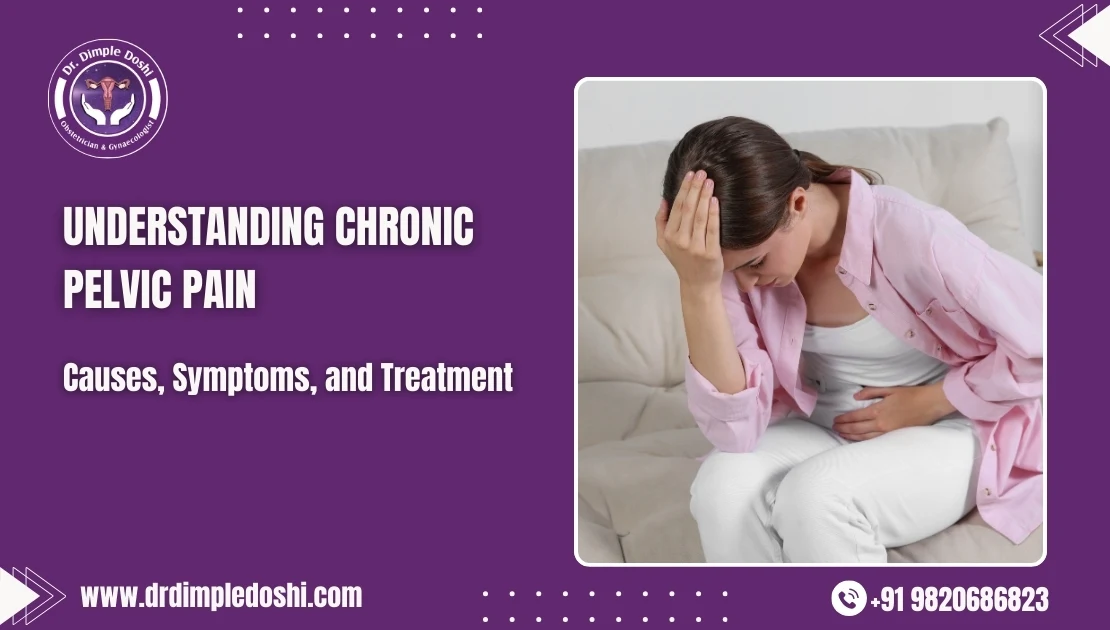
Chronic pelvic pain (CPP) is defined as persistent pain in the lower abdomen or pelvis lasting for six months or more. The pelvis lies between the abdomen and the legs and contains important organs such as the uterus, ovaries, fallopian tubes, bladder, bowel, and pelvic floor muscles.
The pain may be:
Continuous or intermittent
Mild, dull, dragging, or sharp
Related or unrelated to periods
Worse during intercourse, urination, or bowel movements
In my clinical experience, chronic pelvic pain is often multifactorial—meaning more than one cause may coexist.
What are the gynecological causes of chronic pelvic pain?
Endometriosis
Endometrial tissue grows outside the uterus, leading to inflammation, scarring, and pain—often severe during periods or intercourse.
Uterine fibroids
Large or degenerating fibroids can cause a heavy, dragging pelvic discomfort and pressure.
Adenomyosis
When endometrial tissue grows into the uterine muscle, the uterus enlarges and causes severe menstrual pain and chronic pelvic ache.
Pelvic inflammatory disease (PID)
Chronic infection or damage to the uterus, tubes, or ovaries—often due to sexually transmitted infections or tuberculosis—can lead to long-term pain.
Pelvic adhesions
Bands of scar tissue form after infections or surgeries, causing organs to stick together and generate pain.
Ovarian cysts and adnexal masses
These can stretch the ovarian capsule or cause torsion, leading to persistent pain.
Pelvic congestion syndrome
Dilated pelvic veins cause a dull, aching pain, usually worse after standing for long periods.
Pelvic cancers
Cancers of the uterus, ovaries, or cervix may present with chronic pelvic pain in advanced stages.
Effects of pelvic radiation therapy
Radiation for cancer can cause long-term tissue damage and fibrosis, resulting in chronic pain.
What are the non-gynecological causes of chronic pelvic pain?
Gastrointestinal causes
Irritable bowel syndrome (IBS)
Chronic constipation
Inflammatory bowel disease
Diverticulitis
Urological causes
Painful bladder syndrome
Interstitial cystitis
Recurrent urinary tract infections
Musculoskeletal causes
Pelvic floor muscle spasm
Fibromuscular pain syndromes
Herniated lumbar disc
Neurological causes
Nerve entrapment due to endometriosis or fibrosis
Nerve injury after surgery, childbirth, or trauma
Psychological and emotional factors
Chronic stress or depression
History of physical or emotional trauma
Pain amplification due to long-standing untreated pain
Dr. Dimple Doshi’s Tip:
Chronic pain affects both the body and the mind—addressing both is essential for lasting relief.
What happens during a gynecologist visit for chronic pelvic pain?
Because chronic pelvic pain has many possible causes, a thorough and structured evaluation is crucial.
Your assessment may include:
- Detailed medical and menstrual history
- Understanding pain triggers, duration, and relieving factors
- Physical examination of the abdomen, pelvis, hips, and lower back
- Internal pelvic examination
- Blood tests, urine tests, STI screening, and pregnancy test (if relevant)
- Imaging such as pelvic ultrasound, CT scan, or MRI
- Diagnostic laparoscopy, a minimally invasive procedure that allows direct visualization of pelvic organs—especially useful for diagnosing endometriosis, adhesions, and PID
How is chronic pelvic pain treated?
Treatment is always individualized and depends on the underlying cause.
Pain control
- Simple analgesics or pain modulators to improve daily functioning
Treating the root cause
- Antibiotics for infections
- Hormonal therapy for endometriosis or adenomyosis
- Targeted medical treatment for IBS or bladder conditions
Nerve-related pain management
- Selected antidepressants or anticonvulsants to reduce nerve hypersensitivity
Surgical treatment
- Laparoscopic excision of endometriosis
- Adhesiolysis
- Fibroid removal
- Hysterectomy in severe, selected cases
Psychological support
- Counseling or psychotherapy
- Multidisciplinary care involving psychologists and pain specialists
In my practice, combining medical treatment with lifestyle and emotional support gives the best long-term results.
Frequently Asked Questions for Chronic Pelvic Pain
Q1. Can chronic pelvic pain go away on its own?
Ans. Rarely. Most cases need evaluation and targeted treatment.
Q2. Is chronic pelvic pain always gynecological?
Ans. No. Bladder, bowel, muscle, nerve, and psychological causes are equally common.
Q3. Can lifestyle changes help?
Ans. Yes. Stress management, physiotherapy, dietary changes, and exercise often reduce pain.
Q4. Is laparoscopy necessary for all women?
Ans. No. It is advised when non-invasive tests do not provide answers.
Conclusion
Chronic pelvic pain can deeply affect a woman’s physical health, emotional well-being, relationships, and work life. The good news is that you do not have to live with it. With timely diagnosis, a holistic evaluation, and personalized treatment, chronic pelvic pain is manageable and often significantly reversible.
At Vardaan Hospital, Goregaon West, Mumbai, I focus on identifying the true cause of pelvic pain rather than masking symptoms. If you have been struggling with persistent pelvic discomfort, seeking expert care is the first step toward reclaiming comfort, confidence, and quality of life.